

Organizations often develop their lead follow-up and contract approval processes gradually. A team starts with a shared inbox, a spreadsheet, or a simple CRM, and for a while these tools feel sufficient. But as the volume of inquiries increases or more people become involved in approvals, the system begins to show its limits. Small delays turn into missed opportunities, and staff spend more time coordinating communication than moving work forward.
Why follow-ups and approvals break down
Lead follow-up often depends on timing and consistency. When a system doesn’t support reminders, structured stages, or clear visibility, it becomes easy for messages to slip through the cracks. An inquiry might sit in someone’s inbox longer than expected, or a follow-up might be overlooked because there’s no reliable place to track it.
Contract approvals face a similar issue. Drafts circulate through email threads, multiple versions get saved, and managers may not be aware when a document is waiting for their review. When conditions change depending on deal size, customer type, or internal requirements, the process becomes even harder to manage without a structured workflow.
These problems don’t start as major failures—they begin with small inconsistencies that compound over time.
A realistic scenario
Imagine a sales rep who receives a promising lead. They respond, make a note to follow up, and move on to the next task. But their reminder lives in a personal system: a sticky note, a calendar alert, or a mental checklist. If they get pulled into something urgent, the follow-up gets delayed.
Meanwhile, the contract team prepares an agreement for another client. One version lives in email, another in a shared folder, and someone adds comments without tracking which copy is the most current. An approval gets missed, not because anyone is careless, but because the process doesn’t clearly indicate who is responsible for each step or when action is needed.
When teams rely on tools that don’t fully support the workflow, the burden shifts to individual memory. Over time, that becomes unsustainable.
Why structure matters
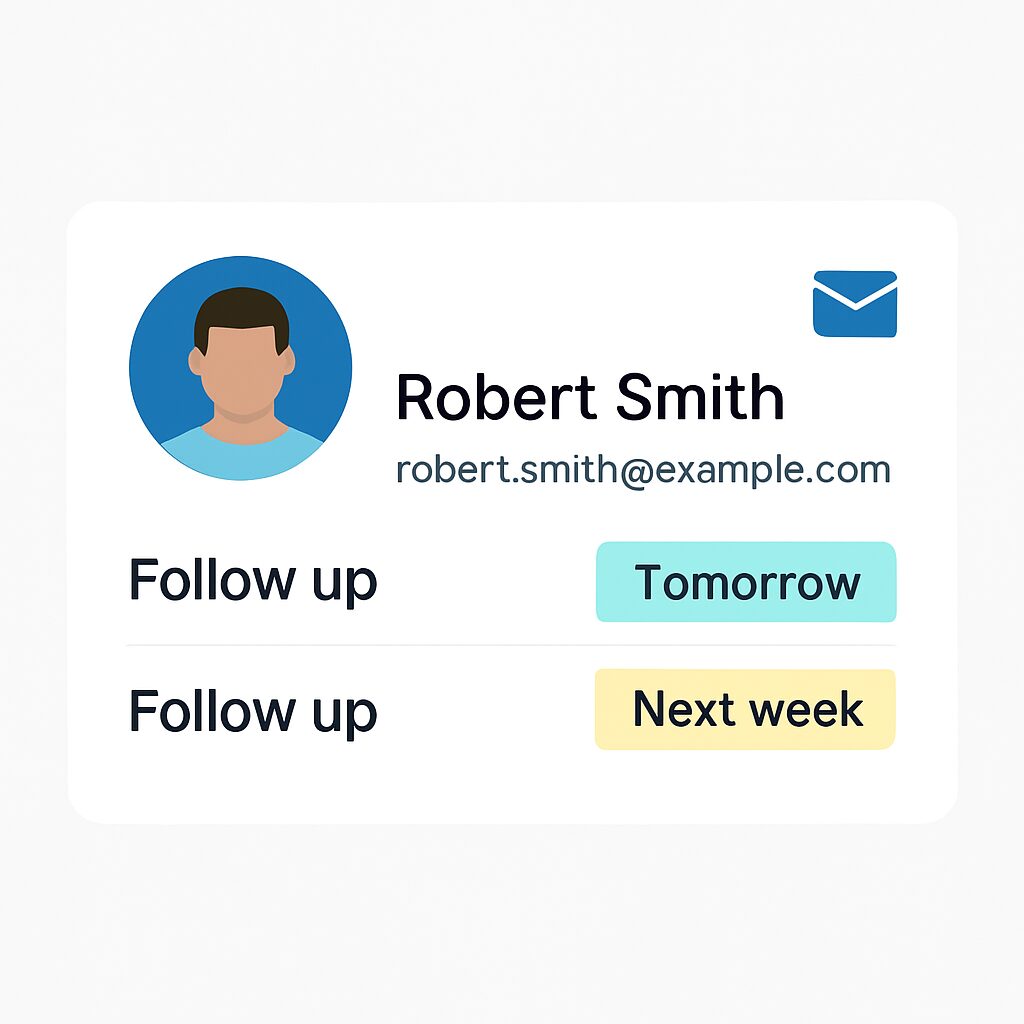
A consistent process reduces uncertainty. When follow-up tasks live in a shared system, everyone knows what has been completed and what still needs attention. When approval steps are defined and visible, documents move forward without confusion or repeated back-and-forth.
Structured follow-up also helps prevent bottlenecks. Leads are assigned, tracked, and advanced based on clear criteria. Contracts pass through defined stages—drafting, review, internal approval, customer signature—without relying on scattered communication.
This kind of clarity isn’t restrictive. It allows teams to move faster because the system handles the coordination that used to depend on individual effort.
How FileMaker improves lead and approval workflows
A FileMaker-based solution adapts to your process rather than forcing you into a generic CRM or approval platform. You can tailor the system to reflect your terminology, your stages, and your internal requirements.
Examples of what a custom workflow can support:
- Automatic reminders for follow-ups
- Clear visibility into lead stages
- Conditional approvals based on contract size or deal type
- In-system commenting and version control
- Activity logs that show who completed each step
- Integrated document storage
- Mobile access for teams working in the field
- Automated next steps based on defined logic
Because the system mirrors your workflow, it becomes easier for teams to use it consistently. And when the entire process lives in one place, communication naturally improves.
What improves when follow-ups and approvals are structured
Organizations that move to a tailored, centralized workflow often notice immediate improvements:
- Leads receive timely follow-ups instead of falling through gaps
- Contracts move faster with fewer stalled approvals
- Teams spend less time clarifying who needs to do what
- Communication becomes more consistent
- Managers gain real-time visibility into progress
- Customers receive quicker responses and clearer updates
These changes reduce both the administrative load and the risk of missing important opportunities.
If your follow-ups and approvals need more consistency
Portage Bay Solutions can help you design a FileMaker-based workflow that keeps leads moving and approvals on track. If you’d like to explore how a tailored system can improve consistency and reduce delays, contact us to schedule a free consultation.